
Why Winter Is the Smartest Season to Buy on the Netanya Coast
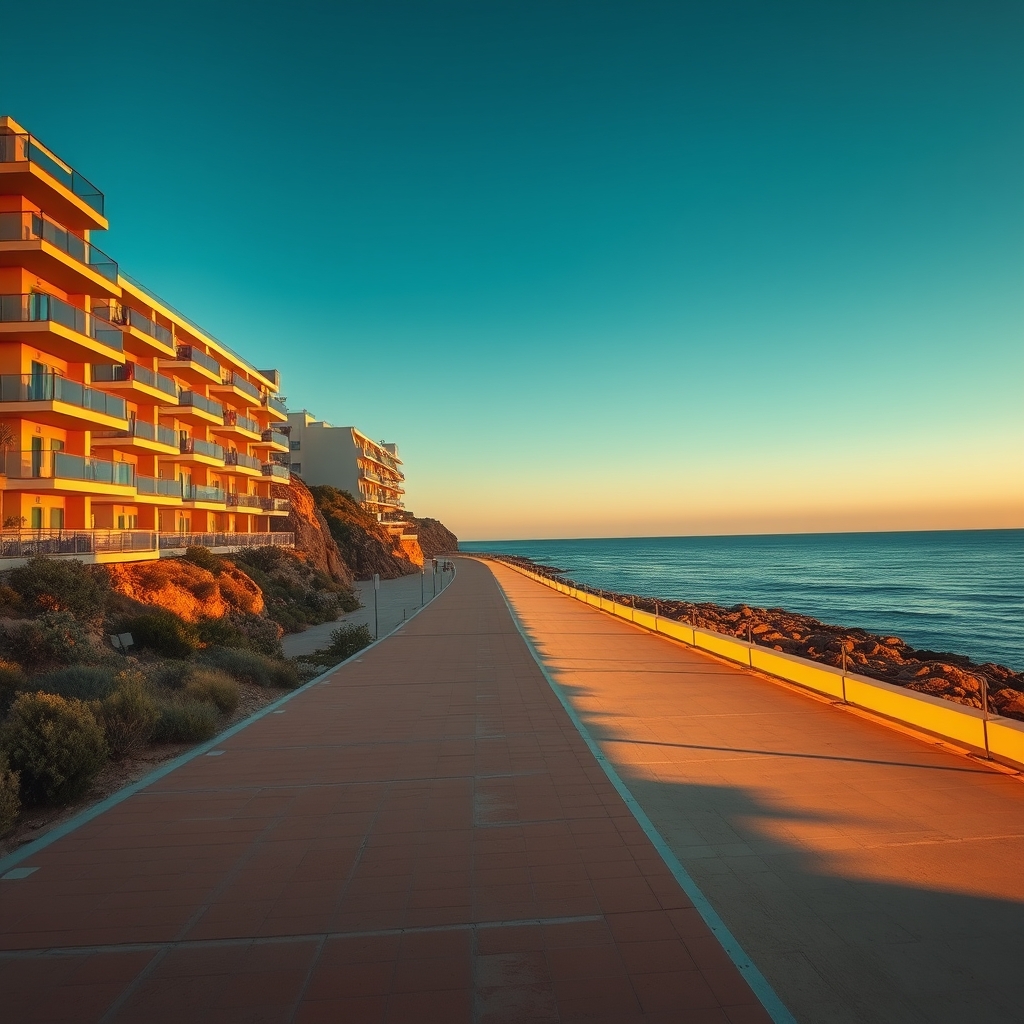
The Beach Is Empty. The Opportunity Isn't.
Every summer, Netanya's coastal neighbourhoods hum with energy. Ir Yamim's esplanade fills with families, the beach below the cliffs is packed, and apartment viewings sometimes feel like open-days at a popular school. Sellers know it, price accordingly, and rarely feel pressed to negotiate. It's a seller's market in the most literal sense — warm weather, high emotion, and plenty of competing buyers.
Come November, the picture shifts. The tourist traffic thins, the promenade returns to its residents, and the real-estate market quietly rebalances. For overseas buyers who can plan their trip around the calendar rather than around school holidays, this seasonal lull is not a drawback — it's a genuine structural advantage. Understanding why takes only a few minutes; acting on it can save you meaningful money and reduce the stress of the whole purchase process.
Fewer Bidders, More Leverage
The summer bidding dynamic — and its winter absence
Between June and September, a well-presented sea-view apartment in Ir Yamim can attract multiple serious offers within days of listing. Local upgraders, Tel Aviv buyers escaping the city heat, and overseas visitors who fall in love with the view during a holiday week all converge at once. That competition compresses negotiation room and inflates closing prices.
In winter, the pool of active buyers contracts significantly. Israeli families are in school routines, holiday visitors are largely absent, and many overseas buyers assume there is nothing worth seeing until spring. The buyers who do remain in the market tend to be serious, financially prepared, and looking to transact — not browsing. If you are in that category, you are suddenly one of very few credible bidders rather than one of many.
What that means at the negotiating table
Reduced competition translates directly into negotiating room. Sellers who listed in August and haven't closed by December are often genuinely motivated — perhaps they have already purchased their next home, are managing an estate, or simply need liquidity. A realistic opening offer that would have been laughed off in July may now open a productive conversation.
We have seen winter transactions in Ir Yamim and along the Poleg beachfront close at discounts of five to ten percent below the original asking price — not because the apartments were flawed, but simply because the timing favoured the buyer. That gap on a coastal apartment in Netanya represents real money, often enough to cover purchase costs, furnishings, and the first year of property management fees combined.
Motivated Sellers and What Makes Them Move
Reading seller motivation in the winter market
Not every winter seller is desperate, and it would be naive to assume so — strong Netanya coastal properties hold their value well regardless of season. But motivation comes in many forms. Inheritance situations, divorce settlements, developers offloading last units in a completed building, and owners relocating abroad are all common drivers that make winter listings disproportionately transactionable.
A good local broker can read these signals quickly. How long has the apartment been on the market? Has the asking price been reduced once or twice already? Is the property listed with multiple agencies — sometimes a sign the seller is frustrated? These are the questions your agent should be asking on your behalf before you ever set foot in the apartment.
The developer angle: end-of-year inventory
Netanya has seen substantial new construction along the northern coastal strip over the past decade, with projects in and around Ir Yamim, near the Poleg interchange, and closer to the city centre's renewed promenade. Developers operating near year-end often face their own pressures — bank financing milestones, annual sales targets, and the desire to clear inventory before rolling into a new fiscal year.
This can make November through January a particularly productive window for buyers considering new-build or recently completed apartments. Upgraded finishes, parking spaces thrown in, or a meaningful price reduction are all concessions that can surface when a developer wants to show a clean balance sheet before January. It is worth asking your broker which projects in Ir Yamim or along the northern coast have unsold units and when their financial year closes.
What Overseas Buyers Must Check Before Closing
The title search and land registry
In Israel, property ownership is registered with the Israel Land Authority (Rashut Mekarkei Yisrael) or through the Land Registry (Tabu). Confirming that the title is clean — no liens, no unregistered mortgages, no outstanding legal proceedings — is non-negotiable. This step should happen before you pay any deposit, not after. Your Israeli real-estate attorney will pull the extract (nesach tabu) and verify the seller's legal standing to sell.
In newer Netanya developments, some apartments are registered under a different framework — a company share or a developer's title — that adds complexity to the transfer process. An experienced local lawyer will flag this immediately; a rushed buyer who skips proper due diligence in a competitive market may not discover it until closing is already stressful.
Building condition and common charges
The Israeli winter, while mild by northern European standards, does include rain, wind off the Mediterranean, and occasional cold snaps that test building envelopes. Commission an independent structural inspection (boded mishkan) before signing, with specific attention to roof waterproofing, exterior cladding, and any sea-facing balconies. In a coastal building, salt air accelerates corrosion and concrete degradation in ways that are easy to overlook during a sunny summer viewing.
Ask the building's vaad bayit (residents' committee) for a statement of current monthly maintenance fees (vaad bayit dues) and for any outstanding special levies. Major repairs — a new elevator, roof replacement, lobby renovation — can result in lump-sum demands of tens of thousands of shekels per apartment. Knowing about these before you sign is vastly preferable to discovering them six months into ownership.
Currency, taxes, and professional advice
Overseas buyers purchasing in shekels face real currency risk during the period between signing a contract and completing payment. Exchange rates between the pound, euro, or dollar and the shekel can move meaningfully over a few months. Many buyers use a specialist foreign-exchange service rather than their high-street bank to lock in a forward rate once the deal is agreed — worth exploring before your funds transfer.
Purchase tax (mas rechisha) in Israel is structured on a sliding scale and varies significantly depending on whether this is your sole property in Israel or an additional one. The rates, thresholds, and any applicable exemptions for new immigrants (olim) or foreign nationals are subject to change and personal circumstances. This article provides general information only and is not legal or financial advice — please work with a qualified Israeli tax advisor and a licensed real-estate attorney before proceeding with any purchase.
Ready to See What Winter Has to Offer in Ir Yamim?
Seaview Properties has been working with overseas buyers on the Netanya coast for many years, and Ir Yamim is the neighbourhood we know most intimately — its buildings, its developers, its pricing history, and its seasonal rhythms. We know which winter listings represent genuine opportunity and which are priced as if it were still August. That local knowledge is something no property portal can replicate.
For owners who purchase and then need their investment managed from abroad, our property-management service handles everything from tenant relations and maintenance to local compliance — all on a transparent flat fee, with no hidden markups on repair work. Many of our management clients were buyers we guided through exactly the kind of winter purchase described in this article.
If you are considering a coastal apartment in Netanya and want an honest assessment of what the current winter market looks like — which properties have been sitting, where sellers might be open to serious negotiation, and what your money can realistically buy right now — we would love to have that conversation. Reach out to the team at Seaview Properties, and let's talk about making this quiet season work in your favour.
מתעניינים בעיר ימים?
קו ישיר לג׳ונתן גליס — קנייה, מכירה או ניהול.